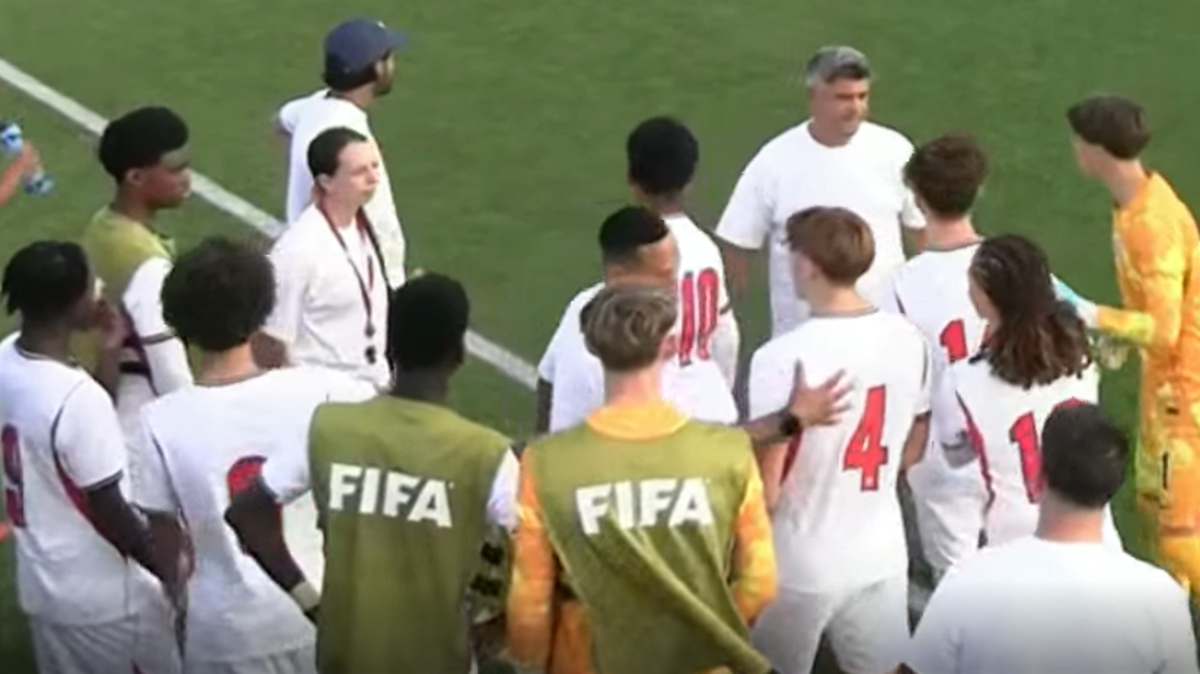
A youth international football match at the Under-15 World Cup was halted prematurely following serious allegations from the England squad. The Group C encounter between England and the Republic of Ireland failed to reach its conclusion after England's team management reported an alleged racist remark made by an opposing player during the game.
The incident occurred during what should have been a routine group stage fixture in the tournament. Match officials, after consulting with team representatives and tournament supervisors, made the decision to abandon the contest rather than allow play to continue under such circumstances.
Racism in football has been a persistent issue across all levels of the sport, from grassroots competitions to elite professional leagues. Football's governing bodies, including FIFA and UEFA, have implemented strict protocols and severe penalties to combat discrimination, ranging from match bans and financial sanctions to potential lifetime suspensions for serious offenders.
What makes this particular case especially concerning is its occurrence at youth level. The Under-15 World Cup serves as a crucial development platform for emerging talent, with participants typically around 15 years old. This age group represents the future generation of professional footballers, making education about respect and cultural sensitivity particularly vital.
Neither the English Football Association nor the Football Association of Ireland has issued official statements regarding the incident at this stage. Tournament organizers have yet to release findings from their investigation, which will likely include review of match footage, referee reports, and testimonies from players and coaching staff from both nations.
The investigation process typically requires careful examination of all available evidence before any disciplinary measures can be determined. The tournament's disciplinary committee will ultimately decide on the match result and any potential sanctions following their inquiry.
This incident has reignited conversations about the importance of character education in youth football development programs. Many experts argue that national football associations must prioritize teaching young athletes about diversity, inclusion, and respect alongside technical and tactical skills.